
Dreame FM - Audiobooks & Story
GLOBOOK PTE. LTD.Music & Audio
4.411.67K Reviews
- Version
- 2.0.1
- Installs
- 500.00K
- Age Rating
- Mature 17+
Screenshots
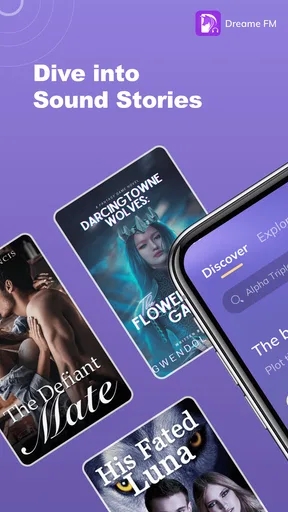
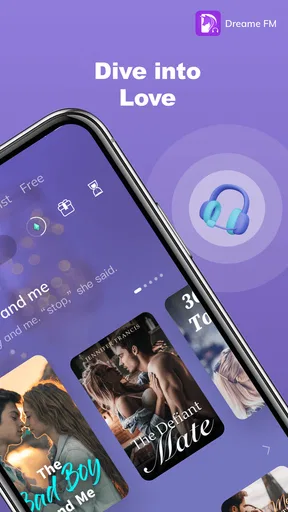
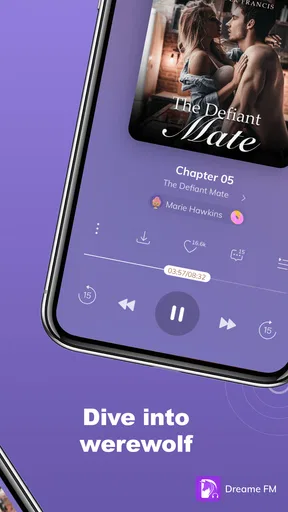
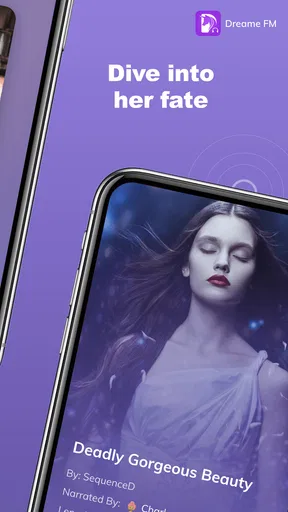
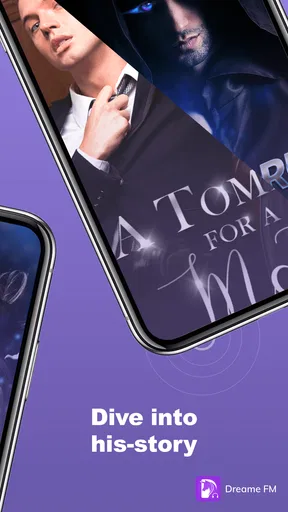
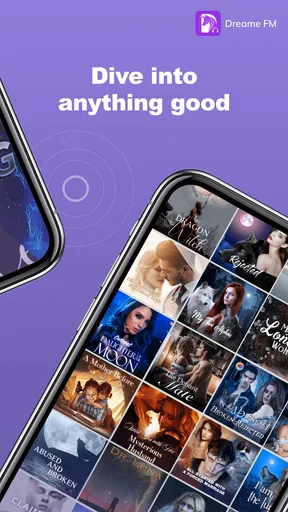
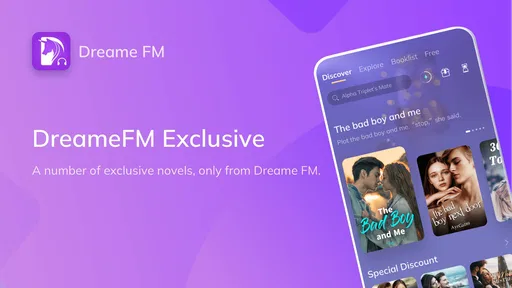
Our Review of Dreame FM - Audiobooks & Story
 Analysis by Appyee
I found Dreame FM most appealing when I treated it as a focused listening space rather than a general-purpose music player. This Music & Audio app is built around spoken entertainment, especially romance, werewolf, and horror stories, so its best use is easy to understand: choose a story, press play, and let the narration fill a commute, a quiet evening, or a routine task. I would recommend it to someone who prefers serialized audio fiction over playlists, podcasts, or traditional music streaming.
The app comes from GLOBOOK PTE. LTD. and is free to install, although it includes in-app purchases ranging from $0.99 to $104.99 per item. That difference matters because the free entry point makes it simple to explore, while longer-term listening may involve spending depending on how a particular story is offered. I would not install it expecting an entirely open audiobook library with no purchase decisions. I would install it because the selection is shaped around dramatic, easy-to-follow fiction.
How I use Dreame FM for everyday listening
My baseline workflow is deliberately simple. I open the app when I have enough uninterrupted time to listen, browse by the kind of mood I want, and start with a story that has a clear hook. Romance works well when I want something light and continuous, while horror suits a darker evening. Werewolf fiction has its own specific appeal, and the app makes more sense for listeners who actively enjoy that kind of imaginative storytelling rather than people searching for every possible audiobook genre.
A realistic use case is a long household routine. I might begin an episode while preparing dinner, continue while cleaning, and stop when the task is finished. Spoken fiction is useful here because it does not demand the visual attention that reading does. The narrative can keep moving while my hands are occupied. I would still avoid starting a complicated plot during a short five-minute break, because serialized stories are easier to enjoy when I can remember the characters and the recent conflict.
The same approach works for commuting, provided the user is not driving in a way that makes phone interaction unsafe. I prefer choosing the story before leaving, rather than browsing while moving. This small habit reduces interruptions and keeps the app in its proper role: playback first, discovery second. If I am walking or using public transport, I have more freedom to browse, but I still find it better to decide on a title before the journey begins.
What separates this experience from a normal music service is the commitment required from the listener. A song can be enjoyed in a few minutes, while an audio story asks me to follow names, relationships, secrets, and turning points. I therefore judge the app less by whether every title suits me and more by whether it helps me settle into a story quickly. For fans of dramatic fiction, that focus is a strength.
The app has a mature audience rating of 17+, which fits the presence of romance, horror, and other themes that may not be suitable for younger listeners. I would take that rating seriously rather than assuming the catalog is family-friendly. It is also worth considering who else might hear the audio nearby. Headphones are the sensible choice in shared spaces, especially when a story moves into adult or frightening material.
Choosing a story without wasting listening time
I get better results by deciding what I want from the session before opening the catalog. If I want emotional drama, I look for romance. If I want tension and atmosphere, horror is the more natural choice. If I want supernatural relationship drama, werewolf stories provide a narrower but distinctive lane. This sounds obvious, but it prevents the common mistake of scrolling through several categories and ending the session without listening to anything.
I also pay attention to whether I am in the mood for a continuing story or a self-contained listening experience. The app is especially suited to serialized fiction, so I expect some titles to build gradually rather than resolve everything immediately. That is enjoyable when I have the patience to return, but less convenient when I need a complete story in one sitting. For a short break, I would choose something familiar instead of beginning a new long-running plot.
One useful habit is to stop at a natural boundary rather than quitting in the middle of a major reveal. When I pause after a chapter or a clear scene transition, it is easier to resume later without replaying several minutes. I also mentally note the main conflict before closing the app. That tiny routine is more helpful for story continuity than repeatedly searching through the catalog.
Another practical point is to keep expectations realistic about discovery. This is not the place I would go first for classical literature, technical nonfiction, language courses, or a broad spoken-word archive. Its identity is much more specific. A large general audiobook platform is a better match if I want business books, biographies, education, or a wide range of publishers. Dreame FM is more convincing when the listener already likes its dramatic genres.
Settings and habits that make listening smoother
Before settling into regular use, I would check the playback controls and the device’s own audio settings. The most important adjustment is comfortable volume: narration should be clear without becoming tiring during a long session. If I am listening through headphones, I prefer leaving enough awareness of my surroundings, especially outdoors. The right setup depends on the phone and headphones, so I would test it during a quiet scene rather than waiting for an intense moment.
I also check how easily playback can be paused and resumed from the lock screen or notification area on my device. This is not a promise about a particular phone interface; Android and iOS can present controls differently. In practice, reliable pause and resume access is valuable because it lets me stop quickly when someone speaks to me or when I need to concentrate. A story app becomes frustrating when I must reopen several screens just to interrupt it.
For longer sessions, I use a repeatable listening window. I might listen during a commute or reserve part of the evening for one or two chapters. This gives the app a predictable place in my routine and makes serialized stories easier to follow. I avoid playing fiction quietly in the background all day, because missing a few important lines can make the next scene feel confusing.
It is also sensible to review purchase prompts carefully. The app is free, but individual in-app items can cost from $0.99 up to $104.99. I would never tap through a purchase simply to continue browsing. Instead, I would decide whether I am genuinely invested in that story, check the displayed terms, and use the platform’s purchase confirmation process deliberately. The low end may feel harmless, but repeated small decisions can become expensive when a listener follows several stories at once.
That is one of the app’s central trade-offs. Free installation lowers the barrier to trying it, but the listening journey may encourage paid choices. I see this as manageable for a careful user and potentially irritating for someone who expects one flat subscription to unlock everything. If predictable monthly spending is essential, I would compare the experience with an audiobook service that clearly uses a subscription or credit model before committing to a long series here.
Faster patterns for regular listeners
Experienced use is less about hidden tricks and more about reducing repeated decisions. I would create a small personal routine: choose a genre, select one current story, listen at a consistent time, and avoid starting several new titles in the same week. This keeps attention on the narrative and makes it easier to notice whether a story is genuinely holding my interest.
I would also separate discovery sessions from listening sessions. During discovery, I can browse and compare the available story options. During listening, I should open the chosen title and leave the catalog alone. Mixing both activities wastes time and makes the app feel more cluttered than it needs to be. This distinction is particularly useful on a phone, where a few extra taps can turn a short break into a long search.
Another effective pattern is to use different stories for different routines. I might reserve romance for relaxed evening listening, horror for a deliberate mood-setting session, and a familiar title for chores where I expect interruptions. The benefit is not a special feature; it is a memory aid. When I return to a story in the same context, I remember its tone and characters more easily.
If I am interrupted often, I stop at a point where the plot is stable and make a quick mental note of the current situation. For example, I might remember that a character has just discovered a secret or that two people are waiting for a confrontation. This is more useful than relying on vague memory of the title alone. It also helps me decide whether restarting a small portion is worthwhile when I return.
I would avoid using the app as a replacement for every kind of audio entertainment. Music is better when I need energy without following a plot. Podcasts are better when I want current discussion or a self-contained conversation. Broad audiobook apps are better for nonfiction and established literary catalogs. Dreame FM earns its place when I want a continuing, emotionally direct story and do not mind a catalog centered on romance, supernatural drama, and horror.
Where the experience reaches its limits
The narrow genre identity is both the app’s clearest advantage and its biggest limitation. A listener who loves romance or supernatural fiction may appreciate the focus, but someone with broad audiobook tastes could outgrow it quickly. I would skip it if my main goal were academic listening, news, self-improvement, children’s content, or a large selection of classic books.
Serialized audio can also create a commitment problem. If I become interested in several stories, I may need to remember different plots and make separate decisions about continuing them. The app is easier to manage when I choose one or two active stories instead of treating every appealing title as an obligation. This is a personal workflow issue, but it affects how enjoyable the catalog feels.
The purchase structure deserves equal attention. A free app is attractive for testing, yet the range of possible item prices means I would monitor spending rather than assume that every chapter or story is included. Users who dislike microtransactions should be especially cautious. For them, a conventional audiobook provider with a transparent all-you-can-listen arrangement, where available, may be less mentally demanding even if its catalog is less specialized.
There is also the matter of content suitability. The 17+ rating means I would not hand the phone to a child simply because the app is categorized as Music & Audio. I would use headphones around family members or coworkers and avoid playing it in places where mature or frightening scenes could disturb others. That is a practical consideration, not a criticism of the app’s intended audience.
Device compatibility is fairly approachable for older Android users because the listed minimum operating system is Android 7.0. The current version is 2.0.1, so I would still keep the app updated when an update is available through the normal store process. On iOS or Android, the exact appearance of controls can vary, and I would judge the experience on my own device before building a complicated routine around it.
Who should install it, and who should look elsewhere
I think Dreame FM is a good fit for someone who wants fiction that can accompany ordinary tasks without requiring a screen. It is particularly suitable for listeners who already know they enjoy romance, werewolf stories, or horror and want a dedicated place to explore those moods. The free starting point makes experimentation reasonable, as long as the listener pays attention to purchase prompts.
I would recommend it less strongly to someone who wants a complete audiobook replacement. If your ideal app combines music, podcasts, nonfiction, language learning, and literary classics, this focused catalog will probably feel restrictive. A general audiobook platform or a music service with spoken-word content may serve you better. The choice depends more on listening taste than on technical ambition.
Its audience size suggests that the concept has found interest: the app has passed 500K installs, with a 4.4 average from around 32K ratings and around 12K reviews. I treat those figures as a sign that many listeners find the format worthwhile, not as a guarantee that every story or payment experience will suit me. Genre preference remains the deciding factor.
My verdict after building a repeatable routine
After using it as a story-first listening app, I see Dreame FM as a specialized option with a clear personality. It does not need to compete with every music player or audiobook service because its appeal comes from concentrating on dramatic audio fiction. When I choose a story before pressing play, keep my listening sessions focused, and handle purchases carefully, the experience is straightforward and enjoyable.
The app works best for a listener who wants an ongoing narrative during commutes, chores, or quiet evenings and is comfortable with a mature catalog. It is less convincing for anyone who wants broad educational audio, predictable all-inclusive pricing, or a library that covers every audiobook category. Those are not small differences; they should determine the download decision.
My final recommendation is therefore conditional but positive. Try it if romance, werewolf fiction, or horror already sounds like your kind of listening, and begin with a clear spending limit. Use headphones in shared spaces, choose one story at a time, and pause at natural breaks so the plot remains easy to follow. The best results come from treating Dreame FM as a focused audio-fiction habit, not as a universal replacement for every audio app.
Verdict
Strengths of Dreame FM - Audiobooks & Story
- Large catalog of audiobooks, novels, and serialized stories
- Includes exclusive and regularly updated audio content
- Personalized recommendations help discover new stories
- Playback controls support adjustable speed and sleep timers
- Allows offline listening for downloaded content
Limitations of Dreame FM - Audiobooks & Story
- Some popular titles require coins, subscriptions, or additional payments
- Content quality and narration can vary between different stories
- The app may send frequent notifications about updates and promotions
- Offline downloads can consume considerable device storage
- Availability of titles and features may differ by region
Similar Picks in This Category
View All
YouTube Music
Google LLC4.4

Samsung Music
Samsung Electronics Co., Ltd.3.8

Spotify: Music and Podcasts
Spotify AB4.3

JioSaavn - Music & Podcasts
Saavn Media Limited4.3

Lark Player:Music Player & MP3
Lark Player Studio - Music, MP3 & Video Player4.6

StarMaker: Sing Karaoke Songs
SKYWORK AI PTE. LTD.4.3
Frequently Asked Questions
What is Dreame FM – Audiobooks & Story?
Dreame FM is an audio entertainment app focused on audiobooks, serialized stories, podcasts, and spoken fiction. Its catalog commonly includes romance, fantasy, drama, mystery, and other popular genres. After opening the app, users can browse recommendations, search for titles, follow ongoing stories, and listen through a mobile-friendly player designed for convenient reading-free entertainment.
Is Dreame FM free to download and use?
Dreame FM can generally be downloaded for free, but access to all content may not be completely free. Some stories or episodes may be available without payment, while premium chapters, exclusive titles, or extended listening can require coins, credits, a subscription, or other in-app purchases. Check the current pricing and payment terms in the app store before subscribing or buying credits.
Does Dreame FM offer offline listening?
Offline availability may depend on the individual title, account status, subscription plan, and the app version installed on your device. If downloading is supported, you normally need to save episodes while connected to the internet and then access them from the app’s library or downloads section. Downloaded content may have restrictions and might not be exportable to another player.
What types of stories and audio content are available on Dreame FM?
The platform is mainly aimed at listeners who enjoy serialized fiction and dramatic storytelling. Depending on the current catalog, you may find romance, werewolf and vampire fiction, fantasy, contemporary drama, suspense, mystery, and audiobook-style productions. Availability, language options, narration quality, and episode release schedules can vary, so previewing a title is recommended before spending credits.
Is Dreame FM suitable for children and does it require an account?
Dreame FM is primarily intended for teenagers and adults because some stories can contain mature romance, intense conflict, violence, or other themes that are not appropriate for younger listeners. An account may be required to synchronize progress, save favorites, unlock content, or make purchases. Parents should review ratings, descriptions, and privacy settings before allowing children to use the app.
